
Vector Tiles API
Fast, customizable vector map tiles for scalable mapping
The Maptoolkit Vector Tiles API provides integratable map tiles for interactive online maps. Vector maps, as opposed to raster maps, store the map data in terms of coordinates, shapes, and attributes, rather than pictures. Thus, they are faster to load, more flexible, and infinitely scalable, which means they stay sharp at any given zoom level, but are also more demanding for the end-user’s hardware when interacted with.
- Layers & Content:
- Transportation: roads, paths, railways, tunnels, bridges, ferry routes
- Terrain: contour lines, hillshading (via raster overlays), elevation zones
- Hydrography: rivers, streams, lakes, coastlines
- Landuse / Landcover: forests, farmland, grassland, urban areas, water bodies
- Buildings: building footprints with optional height metadata
- Points of Interest (POI): categorized POIs (e.g. tourism, food, transport, emergency, education)
- Boundaries: country, region, admin-level boundaries (with ISO codes where available)
- Labels: multilingual name tags for places, roads, POIs (with support for label density tuning)
- Routes & Networks: hiking, cycling, and other thematic routes (OpenStreetMap relations)
- Styling & Rendering
- Compatible with: MapLibre GL JS, Mapbox GL JS, Maplibre-native, Tangram, QGIS, and others
- Custom styles
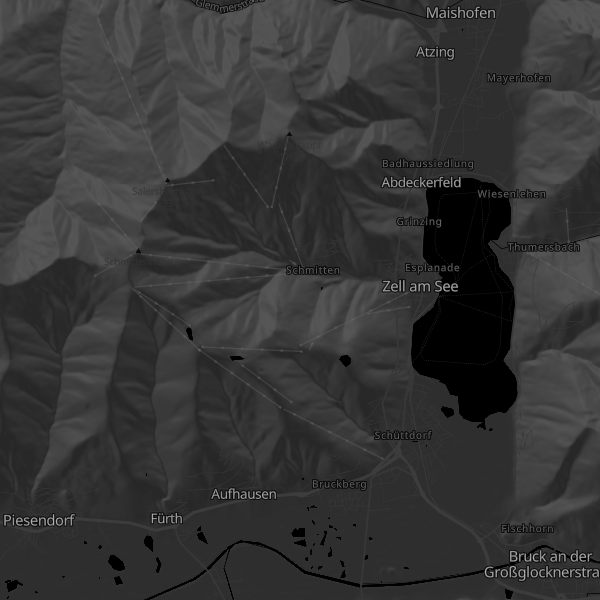
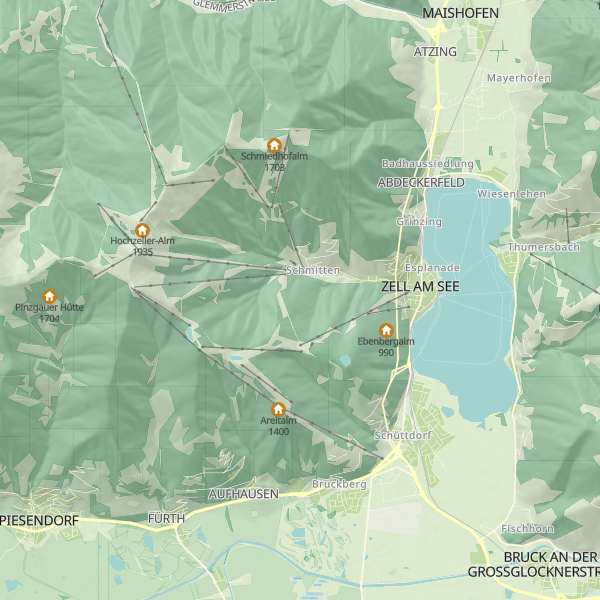
- Prebuilt styles: Available styles for different use cases: outdoor, terrain, grayscale, dark mode, etc.
- Label collision management: Optimized geometry for label placement
- Zoom-adaptive styling: Features generalized for low zooms, detailed at high zooms
- Data-driven styling: Enriched vector tile attributes to support thematic rendering (e.g. road class, POI category, surface)
- Multilingual labels with fallback logic
Create Your Own Map Styles
Our Vector tiles come in 6 default map styles for various applications and needs. If your needs are not met by the offered map styles or you simply prefer a style that matches the colors of your brand, we offer custom map styles as part of our Enterprise Package.
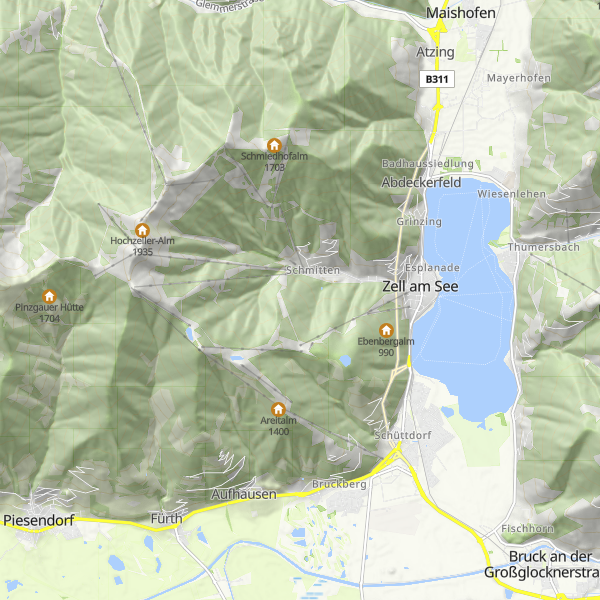
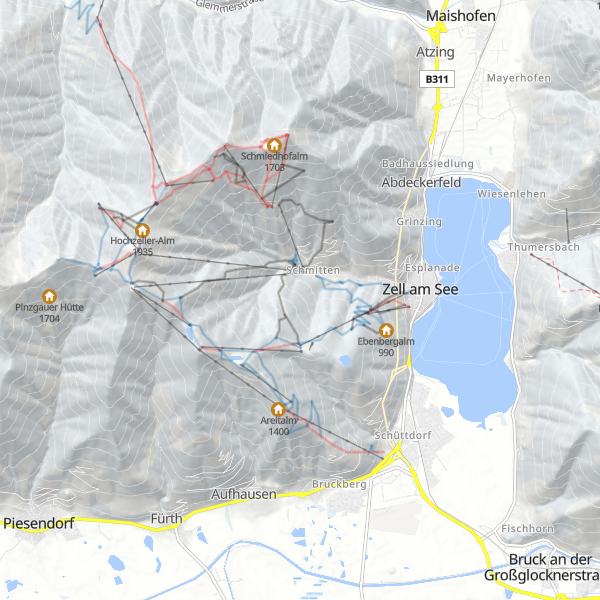
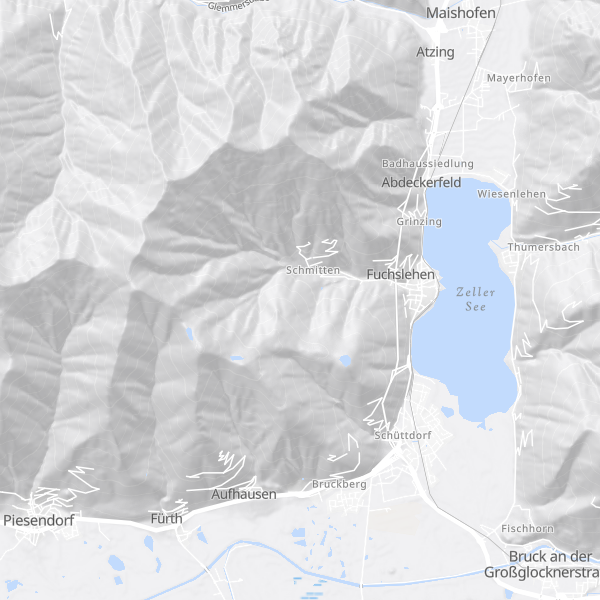
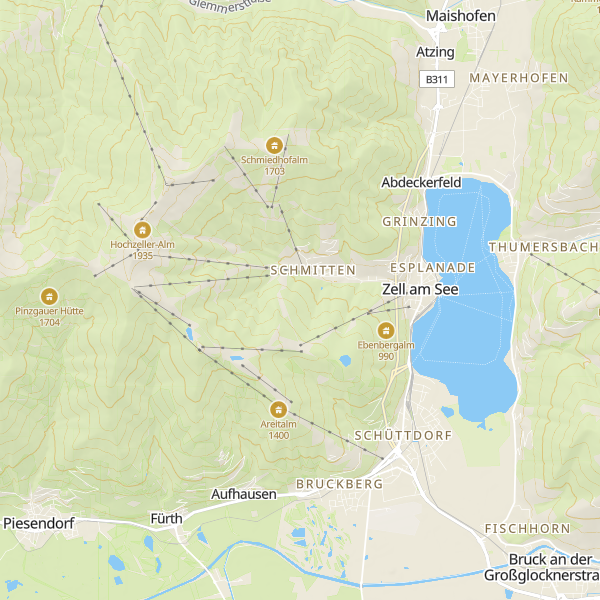
Advantages of Vector Tiles
Smaller Downloads
Seamless & continuous zooming
Rotate and tilt while labels remain readable
Customizable map styles
Retina-maps
Example …
Use MTK.StyleControl to easily switch between different map types and overlays.
Our Pricing Model

Flexible pricing that scales with you.
Start with our free tier, pay per request on RapidAPI as you grow, or choose an Enterprise license for full access.
FAQ
Vector tiles are smaller in size, scalable, and are rendered on the user’s device. Raster tiles are static images that are rendered by the server and then delivered to the user per request (dragging or zooming the map).
They are smaller in size and have a better performance on newer devices. They support continuous zoom, as it does not have to be generated again once a new zoom level is reached. Labels remain upright when the map is rotated or tilted.
We suggest our MTK.js to benefit from all Maptoolkit functionalities. It is based on MapLibre, therefore MapLibre is fine as well. Other mapping libraries which support vector tiles …
Yes, and contour lines are also supported.
Yes. If your library supports offline storage, it is allowed to use it.
We do not offer it out of the box, but you can create a pre-packaging application yourself. We have some know-how on the matter and can support you in doing so.
Most of the data comes from OpenStreetMap and we combine this data with other sources for special demands (e.g. elevation data for terrain and contour lines). You can see the full list of our data sources here.
We’re here to help

My name is Peter Höflehner and I will be your
project- and key account manager.